First ever U.S. Chagas Meeting at Tulane deemed a success
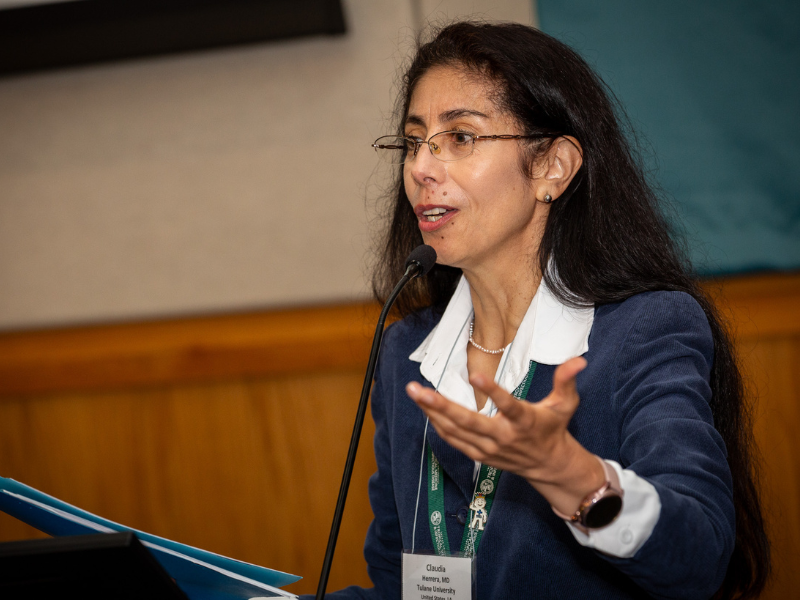
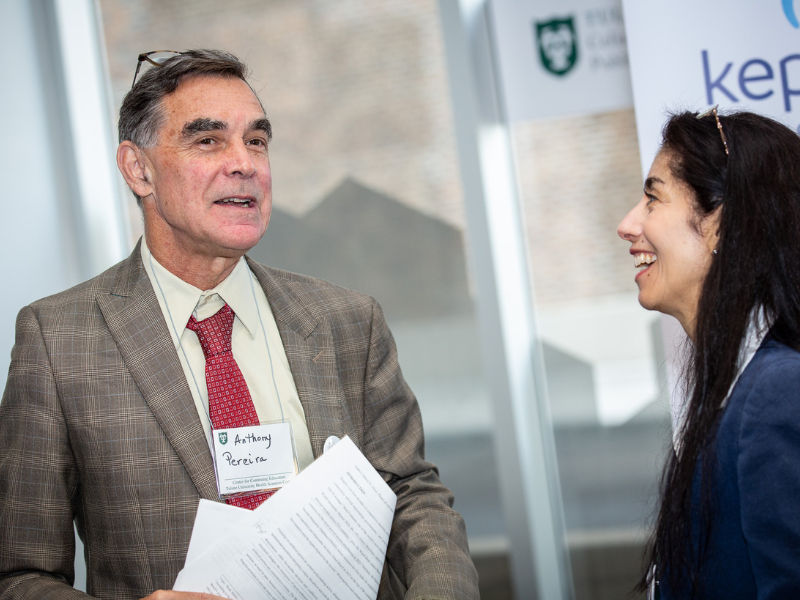
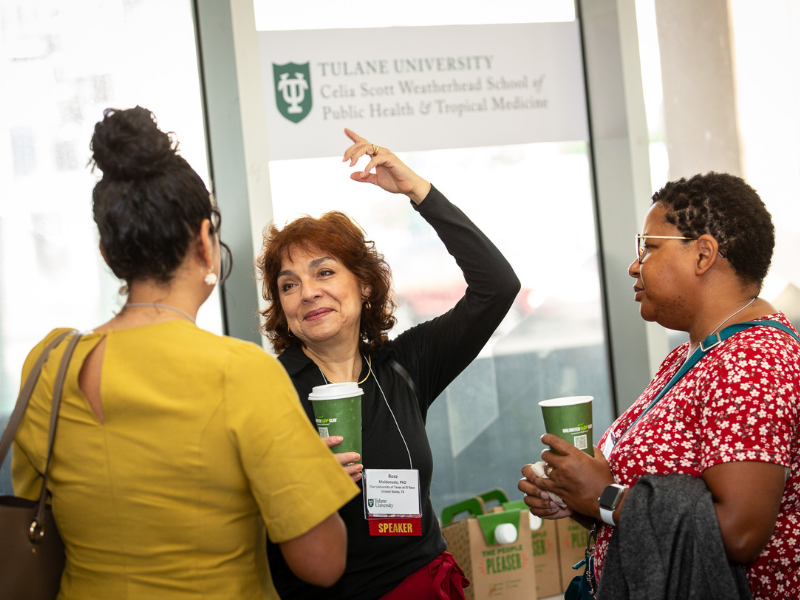
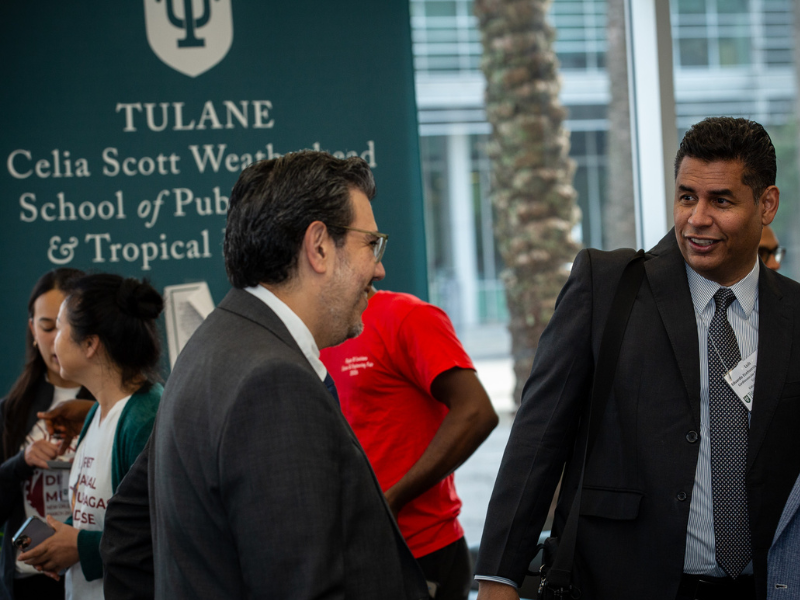
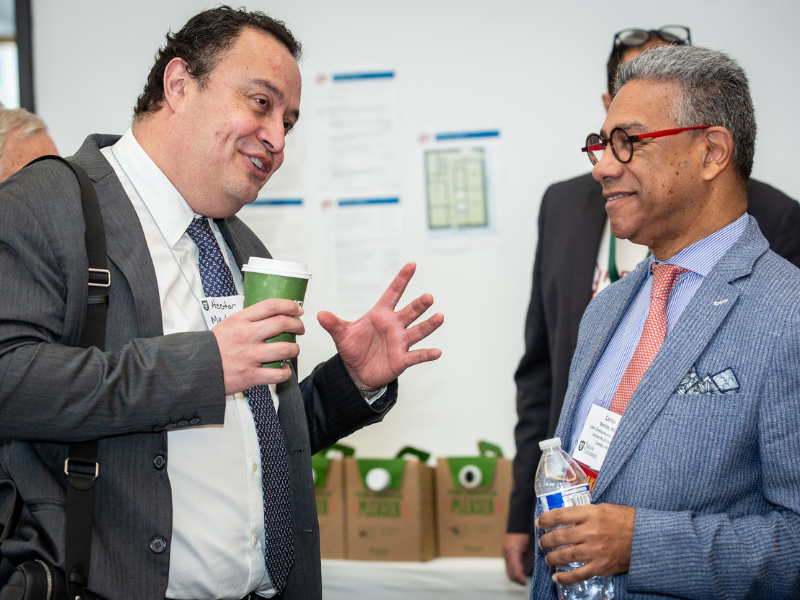
The inaugural U.S. Chagas Disease Meeting was held at Tulane University’s Celia Scott Weatherhead School of Public Health and Tropical Medicine March 26-27, creating meaningful connection and information sharing about a disease that is on the rise in the United States.
More than 100 attendees descended upon New Orleans for the first-of-its-kind event, which featured keynote addresses from Dr. Carlos Morillo and Dr. Pierre Buekens.
By convening experts working in different fields, the meeting addressed improving diagnosis, expanding screening efforts, advancing research, and strengthening coordination of care for patients affected by the disease.
“The inaugural U.S. Chagas Disease Meeting was an incredibly meaningful and successful gathering,” said event organizer Dr. Claudia Patricia Herrera, assistant professor in the school’s Department of Tropical Medicine and Infectious Disease. “It brought together clinicians, researchers, and public health partners from across the U.S. and internationally from 11 different countries, all committed to improving awareness, diagnosis, and care for Chagas disease.”
Chagas disease, also known as American trypanosomiasis, is caused by the parasite Trypanosoma cruzi and is transmitted to people and animals primarily by triatomine insects, commonly called “kissing bugs.”
The disease is endemic across much of Mexico, Central America, and South America, but is increasingly recognized as an important health concern in the United States. Triatomine bugs carrying T. cruzi have been increasingly detected across the southern United States, including Louisiana. Infection occurs when parasite-containing feces from an infected bug enter the body through a bite wound or mucous membranes.
On Day 1 of the conference, Morillo, a cardiologist, electrophysiologist, and professor of cardiac sciences at the Cumming School of Medicine at the University of Calgary, spoke about advances and challenges within the clinical management of Chagas cardiomyopathy. He also serves as cardiology division chief at the Libin Cardiovascular Institute of Alberta.
Buekens, former dean of the Celia Scott Weatherhead School and W. H. Watkins Professor and director of the Tulane Center for Emerging Reproductive and Perinatal Epidemiology, followed on Day 2 by addressing maternal-child pathways for preventing Chagas cardiomyopathy.
Other topics addressed included clinical decision-making, risk stratification, prognostic indicators, challenges in diagnosis with women and newborns, future treatments, and cardiac outcomes.
“A key strength of the meeting was the integration of clinical perspectives, particularly around Chagas cardiomyopathy, alongside advances in diagnostics and public health implementation,” Herrara said.
She added that one of the most important outcomes from the meeting was the strong momentum built toward a coordinated research and clinical agenda. She suggests that the development of a white paper would help define priorities for the field in the U.S.
“We are excited to continue this effort and establish this meeting as an ongoing platform to advance Chagas disease research and patient care in the United States.”