

dedicated bike lanes can effectively increase ridership in mixed-income urban neighborhoods, making cycling a more accessible and inclusive mode of transportation.
Bike Lanes & Safe Streets
The Safe Streets movement encompasses a range of initiatives aimed at improving traffic safety and creating safer environments for all road users—particularly pedestrians, cyclists, and public transit users.
Dr. Jeanette Gustat, an epidemiologist who studies how behavior and the built environment affect health outcomes, has contributed to several projects evaluating the health impacts of infrastructure changes, such as the addition of bike lanes.
After Hurricane Katrina in 2005, floodwaters overwhelmed New Orleans due to levee failures, prompting the city to dramatically expand its network of bike lanes—from just five miles to over 100 miles.
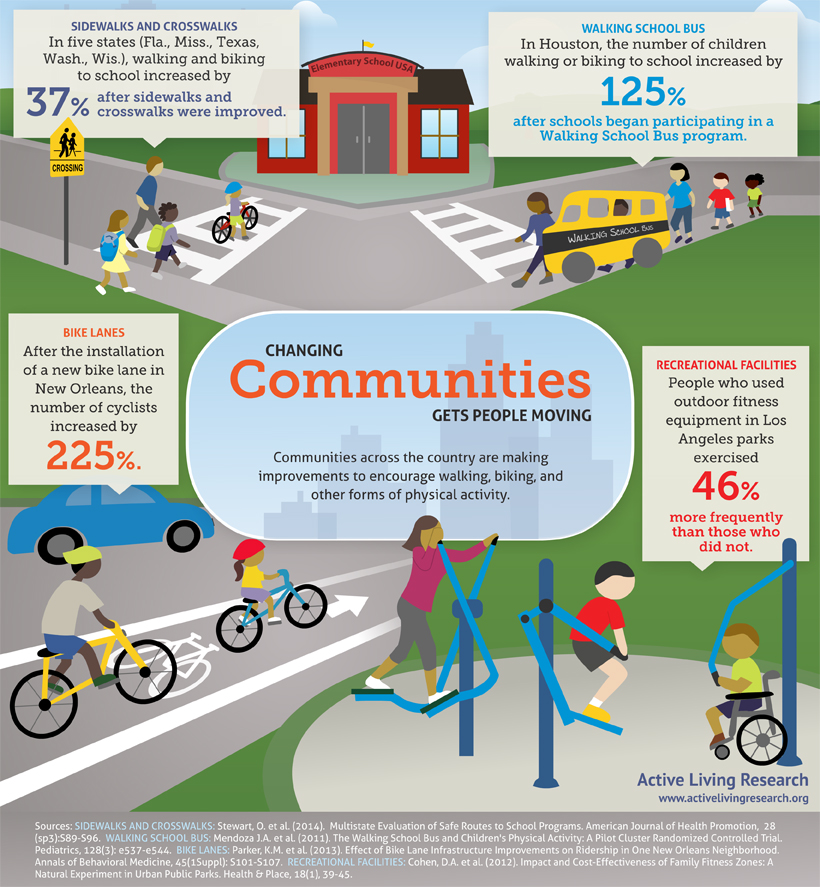
Research conducted by the Celia Scott Weatherhead School of Public Health tracked changes in several diverse neighborhoods before and after new striped bike lanes were installed. The study found a clear increase in ridership, particularly on streets where bike lanes were added.
Importantly, this rise in cycling was not due to population growth, as neighborhood residency remained stable throughout the study period. While the new lanes were not accompanied by promotional events—potentially a missed opportunity to build cycling culture—the presence of pavement markings alone contributed to safer behaviors, such as a reduction in wrong-way riding.
These findings support the idea that dedicated bike lanes can effectively increase ridership in mixed-income urban neighborhoods, making cycling a more accessible and inclusive mode of transportation. Given the relatively low cost of installing bike lanes compared to full road resurfacing projects, researchers recommend expanding this infrastructure, especially in areas with walkable destinations.
In recent years, local partners have focused on developing protected bikeways—lanes separated from vehicle traffic—to offer greater safety for cyclists while also calming traffic for pedestrians. The Moving New Orleans Bikes initiative has laid out plans for up to 600 miles of protected bike lanes throughout the city.
Unexpectedly, the COVID-19 pandemic also spurred changes in transportation nationwide. Gustat and colleagues analyzed official documents from 51 large U.S. cities to understand how local governments addressed outdoor activity and street space in the early months of the pandemic. Most cities explicitly permitted outdoor physical activity under stay-at-home orders, and many actively encouraged it. As the pandemic continued, 23 cities launched pilot programs that reallocated street space for non-motorized users—creating safer routes for exercise and essential travel while reducing crowding.
The study emphasized the need for cities to better integrate public health perspectives into transportation planning, close infrastructure gaps, and prioritize data-driven, equity-informed decision-making. Safe Streets and similar pilot projects represent promising, cost-effective strategies to expand active transportation networks and improve public health. To increase their impact, cities should align rapid-response projects with long-term infrastructure goals, explicitly connect active transportation to health benefits, and ensure equitable access to safe, active spaces—particularly in underserved communities.
Tulane joins the New Orleans Complete Streets Coalition

Tulane University has joined the New Orleans Complete Streets Coalition, a group of organizations and businesses supporting the city’s Complete Streets initiatives. “Complete Streets” are streets designed and built to accommodate all users — not just drivers, but also bicyclists, pedestrians, and transit users — including children, senior citizens, and people living with disabilities.
Learn More About the COALITION
Learn About Low-stress Bikeway Networks

Bike Easy and Coalition partners are supporting the City of New Orleans as it builds the first 75 of over 600 miles of protected bikeways and traffic-calmed streets city-wide.
Academic Opportunities in Community Health

The Masters of Public Health Degree in Community Health Sciences (CHS) focuses on developing knowledge and skills to work with communities in addressing health needs and health disparities and improving quality of life.
Check out related public health topics.